Product Introduction
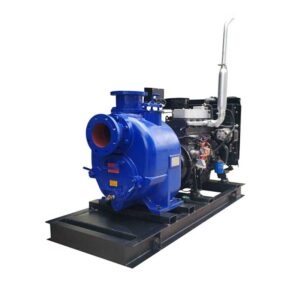
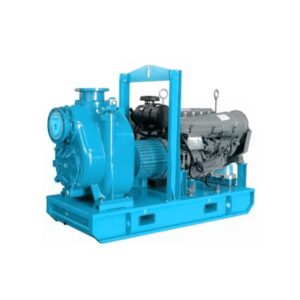
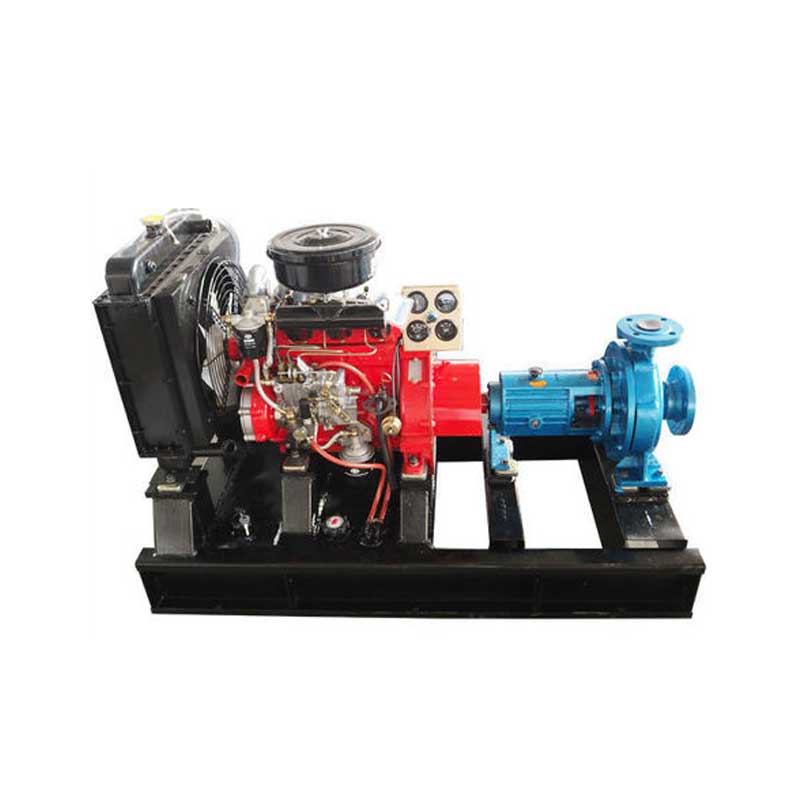
This Series is a durable, high-efficiency diesel-powered pump unit, specifically engineered as the workhorse for agricultural irrigation and bulk water transfer. This self-contained system combines a proven end-suction centrifugal pump with a fuel-efficient diesel engine, delivering a powerful and reliable water supply where it’s needed most. Designed for long hours of continuous operation in remote or off-grid locations, this series is the farmer’s essential tool for moving large volumes of water to maximize crop yields and manage water resources effectively.
Design Philosophy & Construction
The pump unit is built as a complete, robust package optimized for performance, portability, and fuel economy in demanding agricultural environments.
The Pump End: High-Efficiency End-Suction Design
- End-Suction Centrifugal Pump: The unit features the industry-standard end-suction centrifugal pump design. Water enters the pump axially through the center of the impeller (“end suction”) and is accelerated outwards into the volute casing, where it is discharged at high pressure from the top. This design is known for its simplicity, reliability, and excellent performance.
- High-Efficiency Closed Impeller: To maximize water output while minimizing fuel consumption, the pump uses a closed impeller. This impeller design has vanes enclosed between two shrouds, which provides the highest possible hydraulic efficiency for pumping relatively clean water from sources like rivers, canals, lakes, or wells.
- Durable Construction: The pump is built with a rugged cast iron casing and impeller, mounted on a heavy-duty bearing frame to withstand the demands of continuous, long-term operation in the field.
The Drive End: Mobile Diesel Assembly
- Fuel-Efficient Diesel Engine: The pump is coupled to an industrial diesel engine that is carefully selected for its low fuel consumption, high torque, and proven reliability over thousands of hours of service. This is critical for keeping operating costs down during long irrigation seasons.
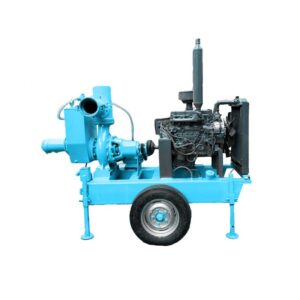
- Portable Trailer Chassis: For maximum versatility, the entire assembly—pump, engine, control panel, and fuel tank—is typically mounted on a heavy-duty, two-wheeled trailer. This allows the unit to be easily towed by a tractor or truck and moved between different fields or water sources. Skid-mounted versions are also available for more stationary installations.
- Complete, Ready-to-Work System: The pump is a turnkey solution, delivered with an engine control panel, a large-capacity fuel tank for extended run times, and all necessary components for immediate deployment.
Key Features & Benefits
- Optimized for Fuel Efficiency: The combination of a highly efficient closed-impeller pump and a modern diesel engine ensures maximum water flow for every liter of fuel burned, significantly reducing operational costs.
- Durable for Continuous Duty: Engineered for the rigors of the agricultural season, this unit is built to run for long, uninterrupted periods, providing a consistent and dependable water supply.
- Maximum Portability: The standard trailer-mounted design provides the flexibility to reposition the pump quickly to meet changing irrigation needs across a large farm.
- Powerful Water Transfer: Delivers the high flow rates and pressures required to operate a variety of irrigation systems, including sprinklers, center pivots, and drip lines, or to simply flood-irrigate large areas.
- Simple Operation and Maintenance: The straightforward and robust design of both the pump and engine makes them easy for farm operators to use and service with basic mechanical knowledge.
Common Applications The pump is primarily used for moving large volumes of relatively clean water for agricultural and municipal purposes.
- Agricultural Irrigation: Its core application. Pumping from rivers, lakes, canals, and wells to supply sprinkler systems, center pivots, drip irrigation networks, and flood irrigation for all types of crops.
- Aquaculture: Supplying fresh, oxygenated water to and circulating water within large fish and shrimp farming ponds.
- Large-Scale Dewatering: Draining waterlogged fields after heavy rains or managing water levels in low-lying agricultural areas.
- Bulk Water Supply: Filling water trucks for dust control on rural roads or providing a temporary water supply for livestock or remote communities.
- Industrial & Municipal: Raw water intake from rivers for treatment plants or providing supplemental water for large turf areas like golf courses and parks.